


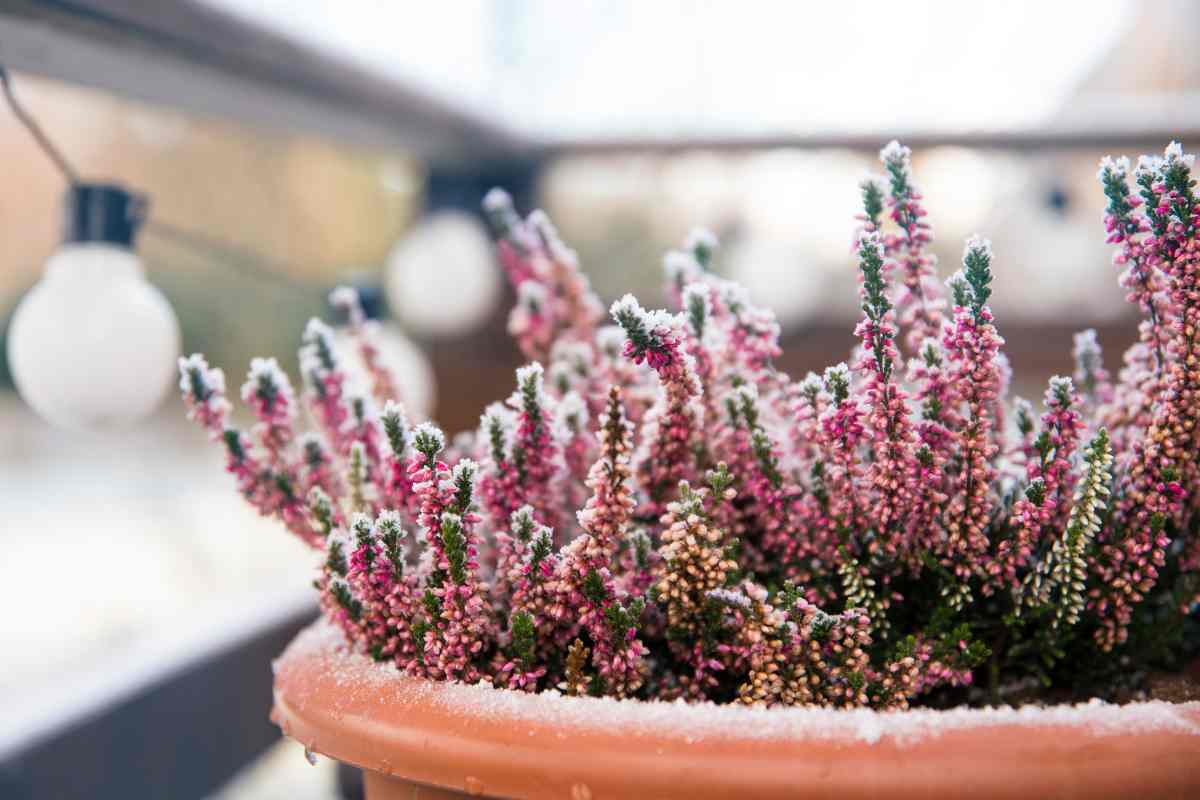
January Garden Planning: A Quiet Month in the Garden
January may be one of the quietest months in Canadian gardens, but it’s also one of the most important. While snow blankets beds and plants enter dormancy, this is the ideal time to review your garden, plan for the season ahead, and prepare for spring planting. Spending time on organization and planning now helps to ensure an enjoyable and productive garden once warmer weather arrives.
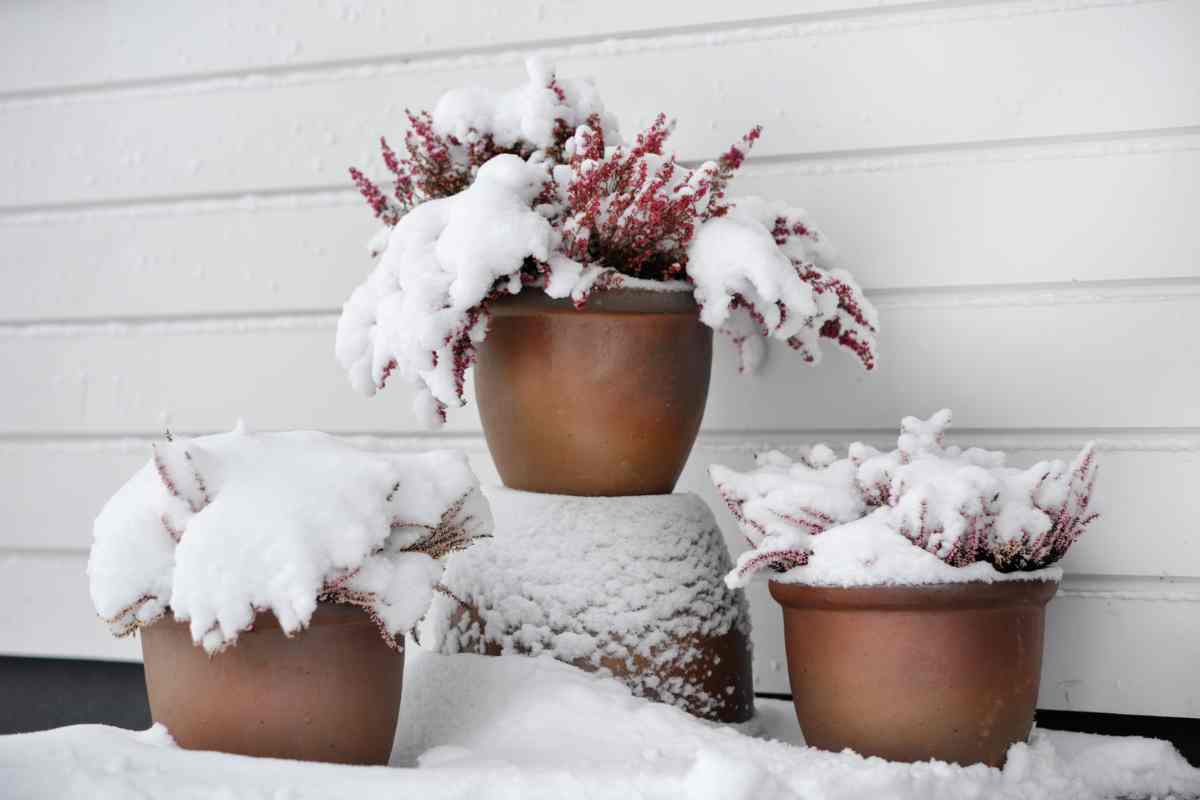
Table of Contents
Gentle January Clean-Up
Winter clean-up is about balance:
- Remove diseased or damaged plant material to prevent pests and disease.
- Compost healthy debris, but discard anything diseased.
- Leave beneficial structures like seed heads, grasses, and perennial stems for winter interest and wildlife shelter.
- Clear paths, borders, and hardscaping, removing leaves to prevent slips and lawn damage.
- Inspect fences, trellises, and edging for winter wear.
Tool and Supply Maintenance
- Clean, sharpen, and disinfect pruning tools, spades, and hoes.
- Oil wooden handles to prevent cracking.
- Inspect hoses, watering cans, labels, and containers. Replace broken items before spring.
Reflect on the Past Season
- Review what worked and what didn’t.
- Identify plants that thrived or struggled.
- Note gaps in bloom times, overcrowded areas, or design changes needed.
- Ask people in your circles what they enjoyed growing – gardening friends are great friends to have.
Map Out Beds and Create a Seed Calendar
- Sketch garden beds with plant spacing in mind to optimize sunlight and airflow.
- Create a seed sowing calendar: track indoor starts, outdoor sowing, and succession planting.
- Plan with your localized frost dates in mind and your hardiness zone.
Order Seeds, Bulbs, and Bare-Root Plants
- Shop early for the best selection of seeds, bulbs, and bare-root plants.
- Take note of bloom times, sun requirements, and mature sizes.
- Planning ahead ensures plants complement each other and grow harmoniously.
Prepare Supplies
- Check all pots, trays, soil, and labels.
- Refill or replace containers and soil.
- Organize labels to keep plants identified throughout the season.
Support Local Wildlife
- Leave seed heads and natural shelters for birds and beneficial insects. Wildlife will thank you!
- Plan for sustainable gardening practices: mulching, soil health, and water efficiency.
January may feel quiet, but with thoughtful planning and preparation, Canadian gardeners can set their gardens up for a strong and vibrant growing season. Embrace the moment of rest, the time to pause and reflect on past success. From clean-up to mapping beds, creating seed calendars, and organizing supplies, these small winter steps pay off in a big way come spring.
